DIY vs Professional Rock Installation: Real Cost Breakdown
DIY landscape rock installation can save 30-50% over hiring a contractor. Learn when to do it yourself and when the extra cost of a pro is worth it.
Quick Answer
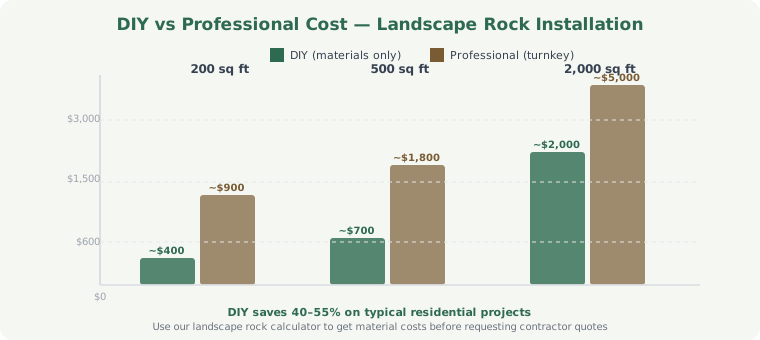
DIY landscape rock installation saves 35–55% compared to hiring a contractor. A 400 sq ft project costs $400–$700 DIY vs. $900–$1,500+ with a landscape contractor. The break-even point is around 2,000–3,000 sq ft, where equipment rental and physical labor start to favor hiring out.
What a Landscape Contractor Actually Charges
Landscape contractors price rock installation in one of two ways:
1. Turnkey price per project: Most common for residential work. The contractor provides labor, material, and all equipment. Typical rates:
- Small project (under 200 sq ft): $400–$800 flat
- Medium project (200–500 sq ft): $800–$2,000
- Large project (500–2,000 sq ft): $2,000–$5,000+
2. Labor only (you supply material): Less common, but some contractors do this. Expect $50–$100 per hour for a crew of 2, or $150–$250 per ton for spreading and installing.
Contractor markup on materials is typically 20–40%. They pay $55/ton for pea gravel and charge you $70–$80/ton. This isn't gouging — it's normal overhead on materials sourced and delivered to your site.
DIY Cost Breakdown
For the same 400 sq ft project at 3-inch depth, here's what DIY actually costs:
Material (1.72 tons pea gravel at $55/ton): $95
Delivery: $75–$100
Landscape fabric (500 sq ft roll): $35–$60
Steel edging (80 linear feet): $60–$100
Landscape staples (100 count): $12–$18
Tool rental (if needed): $0–$150
DIY total: $277–$524
Compare to a contractor's $900–$1,500 for the same scope. You're saving $400–$1,000 by doing it yourself.
The difference narrows on larger projects because equipment (skid-steers, tractors) becomes more cost-effective than manual labor, and contractors can negotiate better material pricing at high volumes.
Factors That Favor DIY
Small to medium projects (under 500 sq ft): Labor is minimal — a weekend of work with a wheelbarrow and shovel. You don't need specialized equipment.
Simple rectangular shapes: Measuring, edging, and spreading a rectangular bed is straightforward. No skills beyond basic manual labor.
Good site access: If the delivery truck can get close to the project area and you have a flat surface to work from, the labor is manageable for most homeowners.
Time availability: A 400 sq ft project takes 6–8 hours spread over a weekend. If you have the time, the math clearly favors DIY.
Already own basic tools: Wheelbarrow, flat-nosed shovel, garden rake, hand tamper. If you own these, your cost is materials-only.
Factors That Favor Hiring a Contractor
Large projects (over 2,000 sq ft): At this scale, equipment rental and the physical demand of moving 15+ tons of rock make professional labor genuinely cost-competitive with the time and effort required.
Poor site access: If the delivery truck has to dump material far from the project area, moving rock by wheelbarrow becomes a multi-day job. A contractor with a mini-skid or Bobcat can complete the same work in a few hours.
Complex or sloped terrain: Properly grading a sloped area, building retaining walls, or creating a French drain system requires experience and often specialized equipment. This is where DIY mistakes get expensive.
Tight timeline: If you need the project done before an event or season change, a professional crew can do in one day what might take you two weekends.
Bad back or physical limitations: Moving 2 tons of gravel by hand is real physical work. A 200 sq ft project means moving roughly 3,000–4,000 lbs of rock, typically 50–100 lbs per wheelbarrow load.
Hybrid Approaches That Save Money
You prep, they install: Clear vegetation, install edging, and have materials delivered. Hire a crew just for the spreading labor. This cuts labor time significantly and reduces contractor hours.
You install the easy parts, hire the hard parts: DIY the flat, accessible beds. Hire out the sloped areas, drainage work, or tight spaces that require equipment.
Buy materials yourself, hire labor only: Call a landscape supplier directly, arrange delivery, then hire a crew that charges by the hour. You avoid the contractor markup on materials (20–40%) while still getting professional labor.
Getting Accurate Material Estimates Before You Call Contractors
Whether you're getting contractor bids or planning your own order, you need to know how much rock the project actually requires. Contractors who quote high on materials are most effectively challenged when you already know the answer.
Before calling anyone, run your project dimensions through our landscape rock calculator. Enter the length, width, and depth — it gives you tons, cubic yards, bags, and an estimated material cost. Print it out or screenshot it. You'll immediately know if a contractor's material quote is reasonable.
For a 400 sq ft area at 3 inches deep with pea gravel, the correct answer is approximately 1.72 tons. If a contractor quotes you 2.5 tons for the same area, you now have the information to ask why.
DIY Timeline Expectations (Be Realistic)
These are real-world time estimates for a physically capable adult working alone:
- Removing old vegetation (per 100 sq ft): 1–2 hours
- Installing edging (per 50 linear feet): 1 hour
- Laying landscape fabric (per 100 sq ft): 30–45 minutes
- Spreading rock (per ton, by wheelbarrow): 2–3 hours
A 400 sq ft project from start to finish is realistically a full day of work — 8–10 hours — not an afternoon. Add buffer for breaks, setup, and cleanup.
If that timeline doesn't fit your schedule, read our step-by-step installation guide to see exactly where the hours go, then decide whether hiring out makes more sense.
Bottom Line
For most homeowners with projects under 1,000 sq ft, DIY is the clear financial choice. The skills required are low, the tools are simple, and the savings are significant — typically 40–50% less than a full-service contractor.
For large projects, complex terrain, or if your time is constrained — hiring out makes sense. Get multiple quotes from local landscape contractors and compare them against your material cost baseline from our estimator tool.