How to Install Landscape Rock: Step-by-Step Guide
Learn how to install landscape rock correctly — from soil prep and landscape fabric to spreading and edging. Avoid the most common installation mistakes.
What You'll Need Before You Start
A successful landscape rock installation isn't complicated, but skipping steps early creates problems that are expensive to fix later. Here's what to gather before any rock gets moved:
- Tape measure and marking paint or chalk line
- Square-nosed spade or sod cutter (for removing existing vegetation)
- Garden rake and hand tamper
- Commercial-grade landscape fabric (woven, 2–3 oz minimum — not the thin black plastic)
- Landscape staples (6-inch U-pins)
- Steel or aluminum edging (if not already installed)
- Wheelbarrow and flat-nosed shovel for spreading
First, calculate how much rock you need using our landscape rock calculator. Enter your area's length, width, and your target depth to get the tonnage. Order 10% more than your calculated amount to account for edges and waste.
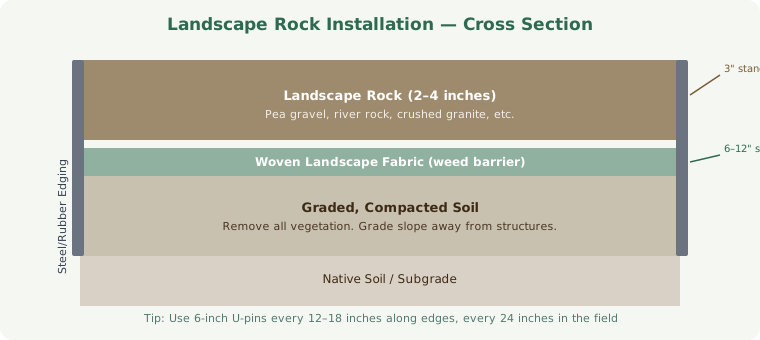
Step 1: Define the Edges and Remove Vegetation
Mark the perimeter of the rock area with marking paint or a garden hose to visualize the shape. Once you're happy with the layout, cut the edge cleanly with a flat-nosed spade.
Remove all existing grass, weeds, and plants from the area. Don't just cut the tops — pull or kill the roots. Weeds that are alive under landscape fabric will eventually push through it. For stubborn grass, a non-selective herbicide (follow all label instructions) applied 1–2 weeks before installation saves significant labor.
Install your edging before any fabric or rock goes down. Steel edging is the most durable and stays put; rubber edging is easier to cut for curved areas. Both should be at least 4 inches tall. Set the top of the edging 1/4 to 1/2 inch above the finished rock surface so rock doesn't spill onto lawn or hardscape.
Step 2: Grade and Prepare the Soil
You don't need a level base — you need a smooth one. Rake the soil to remove rocks, clumps, and debris. Fill any low spots to prevent water pooling under the fabric.
For areas near your home's foundation, make sure the grade slopes away from the structure at a rate of at least 1 inch per foot for the first 6 feet. Improper drainage is a leading cause of foundation water damage, and a fresh rock installation is a good time to correct any grading issues.
If the area has a drainage problem (standing water after rain), consider installing a French drain before laying rock. See our guide to the best rocks for drainage for how to handle this.
Compact the soil lightly with a hand tamper or plate compactor (especially important for pathways or areas where people will walk).
Step 3: Install Landscape Fabric
This is the step most DIYers underdo — and it's the reason rock installations fail within 2–3 years.
Use commercial-grade woven landscape fabric, not the thin black plastic sheeting sold in bulk rolls at discount stores. Woven fabric allows water and air through (keeping soil healthy) while blocking light that weeds need to germinate. Solid plastic creates drainage problems and degrades faster.
Roll the fabric across the area, overlapping seams by at least 6 inches. Overlap around edges and staple down with 6-inch U-pins every 12–18 inches along edges and every 18–24 inches across open areas. Pull the fabric taut to avoid wrinkles — fabric that folds underneath creates pockets where weeds can root.
For plants staying in the area, cut X shapes in the fabric around each plant. Fold back the flaps and staple them down around the base of the plant.
Step 4: Spread the Rock
Now the satisfying part. If you're working with a bulk delivery, the supplier will dump the rock on your driveway or as close to the project area as the truck can reach. Rent a wheelbarrow if you don't have one — you'll be doing multiple trips.
Start at one end and spread rock with a flat-nosed shovel or landscape rake. Work in sections, pulling rock toward you rather than pushing it (pushing bunches the fabric underneath).
Use a depth gauge — a piece of rebar or dowel rod marked at your target depth — to check thickness as you go. Aim for even coverage; thin spots show soil color through the rock and look unfinished.
Target depths by project type:
- Decorative garden beds: 2–3 inches
- Walkways and paths: 3–4 inches
- Around larger river rock: 3–4 inches
- Foundation drainage areas: 4–6 inches
Check our depth guide by project type if you're unsure what depth your specific application needs.
Step 5: Final Grading and Cleanup
Once all rock is spread, do a final walk-through. Rake out high spots and fill in thin areas. If you're working in a visible area, step back and view the installation from multiple angles — lumps and waves are much easier to fix now than after everything settles.
Blow or rake rock off walkways, patios, and lawns. A leaf blower works well for clearing stray pea gravel from hard surfaces.
Common Mistakes That Cost Money Later
Skipping landscape fabric. You'll be pulling weeds from rock within a single season. The fabric cost ($50–$150) is far cheaper than the labor of weed management year after year.
Using too little depth. A 1-inch layer of pea gravel doesn't cover the fabric or look full. Two inches is the absolute minimum; 3 inches is standard.
No edging for pea gravel. Small round stones migrate. Within a few rains, pea gravel without containment spreads onto your lawn and walkways. Metal edging is non-negotiable.
Ordering without calculating first. Running out mid-project and needing a second delivery costs $75–$150 in extra delivery fees. Use our rock estimator before you call the supplier.
Buying the wrong rock type. Smooth river rock on a steep slope will roll to the low point. Angular crushed rock is what actually stays put on grades over 5–10%.
How Long Does It Take?
A typical 200 sq ft garden bed takes a competent DIYer 4–6 hours including edging, fabric, and spreading. Add another hour for a 400 sq ft area. The bottleneck is usually moving rock from the delivery pile to the project area, which is pure wheelbarrow work.
If time is the limiting factor rather than budget, see our breakdown of when to hire a landscaping contractor vs doing it yourself.